Thesis
Laura Minquini
AthenaBIO

"As for the future, your task is not to foresee it, but to enable it.” Antoine de Saint-Exupéry
I. Executive Summary
AI is poised to compress decades of biomedical discovery into years, but to meet the ambitious timelines in which it could cure disease, we need to focus on one of the central problems faced by AIxBIO: access to the right data. We currently lack biomarkers, endpoints, and sufficient biological data in female health, which will become a huge roadblock to progress. Even as we begin discovering cures for diseases with AI, sex-specific data will be lacking, so the future will be interrupted by this blind spot. Epistemic opacity will take a new meaning.
Ischaemic Heart Disease (IHD), for instance, is among the top causes of DALYs (Disability-Adjusted Life Years) in women in both the Global South (Philippines) and the Global North (USA). DALYs are the main unit by which we measure disease burden, one DALY equals one year of healthy life lost. IHD is driven substantially by hormonal fluctuations and menopause. One can easily find that the downstream effects of not being able to address this condition stem from the fact that the underlying biology of the ovary is poorly understood. By not studying it, we will fail to address a triggering factor for IHD.
To go after this challenge, we propose a new type of organization with an ambitious 5-year field-building plan that involves IP identification, data collection and analysis, and infrastructure to develop robust models to study all diseases related to ovarian health.
Why the ovary? It is a unique organ. By studying it, we can go after the downstream effects of dysregulation in female aging biology, discover more about the microbiome, the ovary-brain connection, and tackle new methods of fertility preservation, something that ultimately benefits humanity at large. Studying ovaries is limited by the fact that collecting biological data is difficult both technically and ethically. By every metric, this is a "handle with extreme care" organ. That is precisely why the new institution meant to close this gap must be built as a public good rather than a siloed private enterprise, existing outside both academia and legacy institutions (even when collaborating with the best academics), so that the sole focus is achieving a goal rather than academic prestige.
Like the Arc Institute and Convergent Research's FROs, we are built to tackle a foundational problem, one that can unlock an area of research with massive ROI. Our solution takes into account the realities of “women’s health” and the types of bets and commitments the market is willing to make on it.
Here is our thesis, alongside a curation of exploratory articles on the subject, on what needs to happen in the next five years to match the predictions of what AI will be able to do - and towards maximal impact.
II. Introduction
We are living at a time of profound innovation but also at an inflection point in which the tech push - the rapid advancement of training models in AI - will be increasingly at odds with the scientific pull - the ability of current institutions to generate data that will be needed for these models to deliver on the five-year discovery timelines now being promised for AI in biomedicine. The biggest opportunity with this technology will be clinical impact but as recently stated by Bender, Scannell, Shaywitz et al. in Nature Reviews Drug Discovery: “the focus of AI in drug discovery must shift from doing what can be done - such as modelling data that readily available - but unlikely to move the needle - to doing what should be done, even if it requires, for example, substantial data generation…”
We simply do not have a lot of the biological data, particularly data that impacts females. We have experienced many examples of this data gap at AthenaDAO. Two years ago, Dr. Peter Fedichev, one of the leading researchers working in aging, identified genetic loci potentially contributing to ovarian aging independently of systemic aging in the UK Biobank - a large-scale biomedical database and research resource containing in-depth genetic, lifestyle, and health data. We funded a program, OVARIA, to develop their platform to identify up to 10 novel targets for ovarian aging. Today, they have to build the full infrastructure to screen the identified targets in vitro because it simply does not exist. This is one of many examples that clearly show the bottleneck to curing disease is not at the level of AI models.
III. Preamble - Forgetting Labels
1. Forget Women’s Health
We are not here to talk about why women's health matters or to tell you that this will “impact half of the world’s population,” as we have learned over the past years that it is as weak a statement as saying “aging is the biggest problem in the world because it kills everyone.” Both are subjective, sweeping statements. You would not design a dress, put out a beauty product, or market something for women thinking half of the world’s population is your market. Why the market buys in depends on personal choice, how one allocates capital, and whether one has use for it. Today, “women’s health” fails to appeal across private and philanthropic sectors for different reasons.
2. Forget Femtech
Femtech (female technology) is a term for software, diagnostics, products, and services that use technology to focus on health and wellness. It does not tackle drug discovery or therapeutic development. Companies and funds that focus on this area operate on app and digital product timelines. At the moment, we are using “Femtech” and “Women’s Health” interchangeably to convey the same messaging, but the distinction has to be made that all of the unicorns in the field are digital apps or telehealth providers that only gather very surface-level data with limited potential to discover new biology:
Maven Clinic: A virtual telehealth platform offering fertility, pregnancy, and family-building care, valued at over $1.7 billion. Flo Health: A popular menstrual and cycle-tracking app that reached a $1 billion+ valuation following a $200 million funding round. Midi Health: A virtual care provider specializing in perimenopause, menopause, and midlife women's health symptoms, achieving unicorn status after a $100 million funding round. Pomelo Care: A digital health provider focused on maternal and family health outcomes that crossed into unicorn valuation at over $1 billion+.
3. Leaving The Valley of Death
To date, no biotech/drug development unicorns focused solely on female health have given venture biotech capital the confidence to go all-in on the category. Most pharmaceutical companies do not have a women’s health strategy; marketing programs or NGO programs are not the same as capital deployment for R&D. Scientific founders often find themselves in a new type of “ Valley of Death.” When they go to Biotech funds, they are told: “we don’t do women’s health.” When they go to Femtech funds, they are told: “we do not invest in these types of companies,” and so ends the potential.
Even when there is early conviction, the later stages of capital allocation have demands that the science is not yet able to meet. In many female-specific indications there are no validated biomarkers or agreed-upon clinical endpoints - e.g. endometriosis trials rely on subjective pain scores, and there are no surrogates for oocyte quality in ovarian aging - which prohibitively increase the risk and cost of the trial. Declining to fund them is the rational choice. The problem is that the translational work that would make this fundable is too far from an asset for investors, too early for companies, and not academically prestigious enough for research institutes.
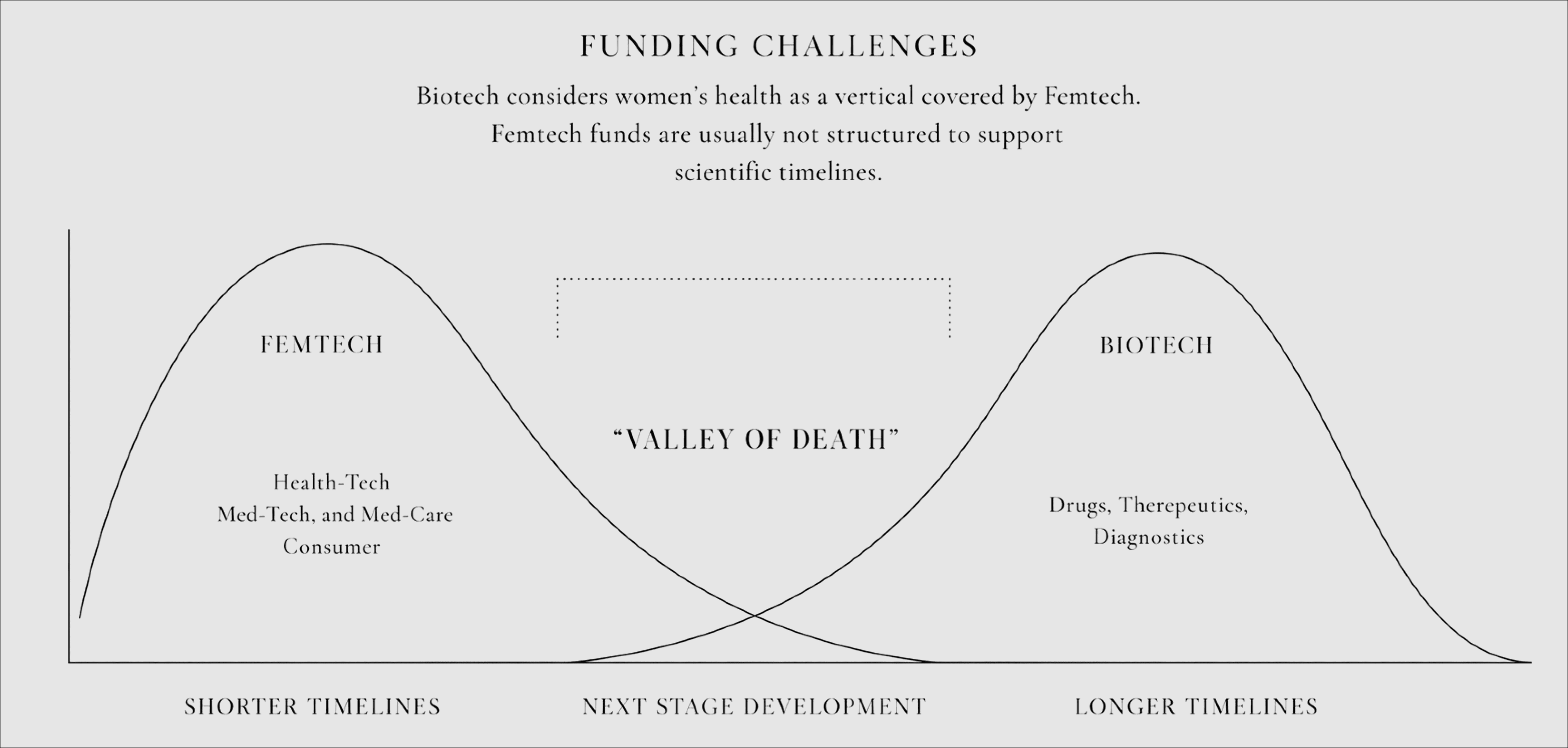
Figure 1: Valley of Death in Women’s Health
Every year a new report is written on how women’s health is a great investment opportunity. When we launched AthenaDAO, we tried to make this case. McKinsey produced a report that went as far as quantifying the value of women having better health outcomes with GDP: “Addressing the health gap women face could boost the global economy by adding at least $1 trillion to the global economy by 2040. This means a 1.7 percent increase in the average per capita GDP generated by women.” But years building in the field and trying to advance assets at every stage of development from lab to translation, pre-clinical, validation, and spinout, made us realize that every attempt to get more science-focused companies to market is thwarted by the same problem. To exit the Valley of Death, we still need to do large-scale sex-specific data & fundamental research.
4. Why the Ovary
Our past experience inadvertently helped us become experts on the ovary; as a result, we know what is needed, and what the bottlenecks and missing parts are. Though we believe in a systems biology approach, we believe that for maximal impact and minimal resources, being a hyper-focused organization is key. We do not profess to know and cover all of “women’s health.” We know what we can do strategically and alongside whom to enable discovery.
The incredibly well-crafted report on reversing aging by Silver Linings Bio included the importance of reversing reproductive aging.
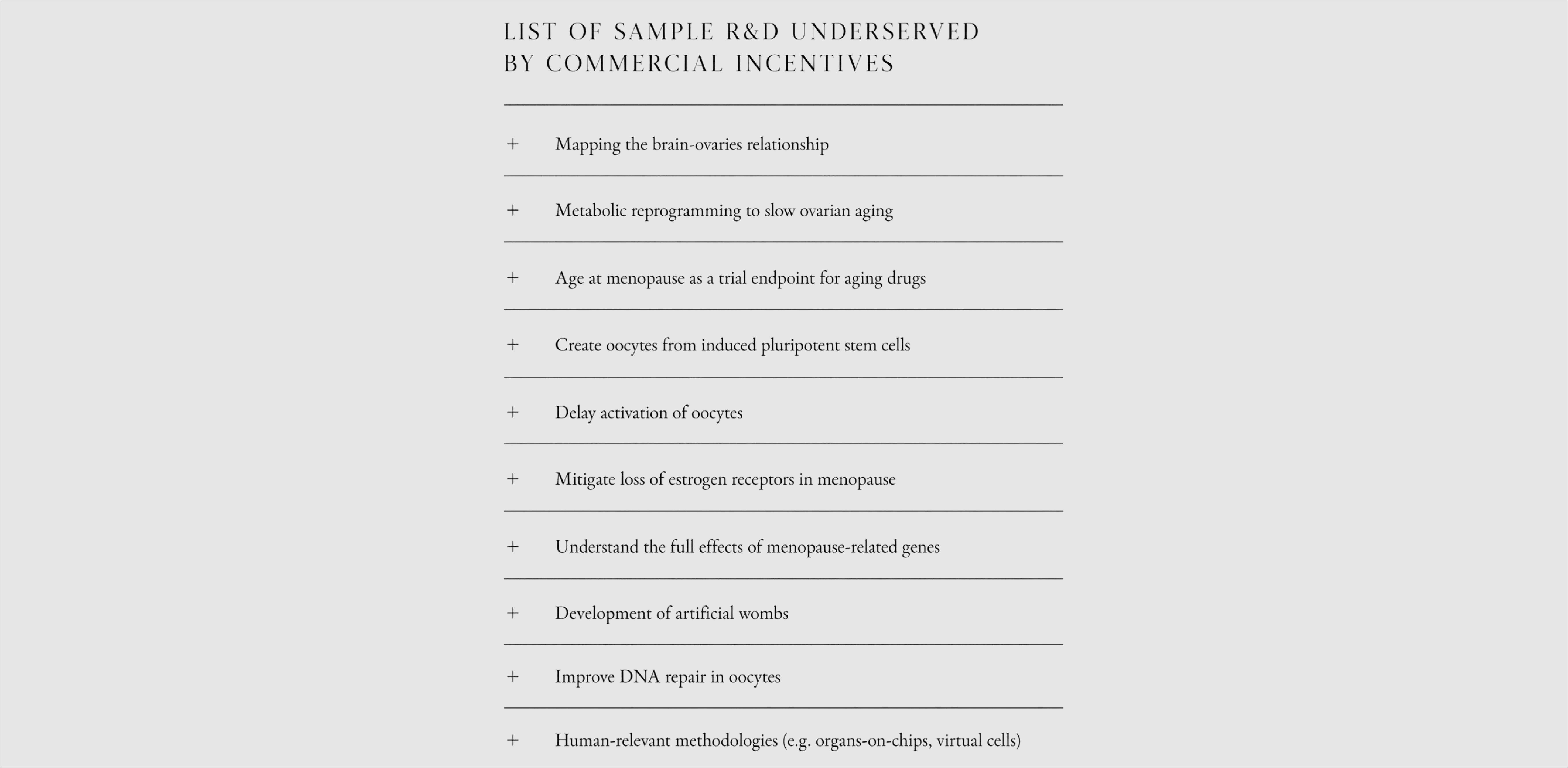
Figure 2:Silverlinings.Bio
All the underserved areas in R&D commercialization they pointed out would be tackled by understanding the ovary better.
5. Types of Data
Not all data is created equally. Last year we researched and published a report on this. In the era of AI, there is a rush to make “data” an exit or sales strategy. It is important we make a clear distinction on the type of data we want to focus on. Wearable data analyzed and contextualized is great, but it is only one part of the equation, not a full picture of the type of information we need to get to truly have novel biomarkers and endpoints. For that, we need to combine it with measurements at the molecular and tissue level, so we can make causal inferences. Moreover, the new class action against Oura challenges the notion that the data being collected is even relevant. The lawsuit alleges that “Oura rings are unable to measure any of the physiological signals needed to assess sleep quality or determine sleep stages, and that they instead rely on AI-generated estimates that have ‘a coin flip’s chance of being correct’.” If there is any merit to the lawsuit, the data wearables are generating might just be more noise.
This is why we are interested in the kind of data that takes time to collect, where both institutional and ethical frameworks have to be considered, and is cumbersome to collect in a for-profit framework. Having access to ovaries itself is difficult, and thus, getting the tissue and the biological samples is a challenge. Storing it, annotating it, and analyzing it against existing benchmarks will be done better in collaboration with existing research labs.
IV. Our Past Work - Knowledge Compounding
Our knowledge comes from experience. Years ago, we launched AthenaDAO with an unconventional idea. We wanted to advance women’s health by proving that, to make female health an investable category in the life sciences, we need to fund translational science first and make it community-driven. It was an experiment in novel funding mechanisms to tackle the lack of capital and attention in the field.
We collaborated with leading academics, research institutes, femtech, and the biotech industry around the world. We funded over $1.5M in research with leading institutions including the University of Colorado, Cornell University, and companies like Gero.AI to do women’s health R&D, as well as supported novel theses like Dr. Mario Cordero’s NLRP3 for Diminished Ovarian Reserve, which is showing great promise. We have published five reports in reproductive health, and have a global network of over 35k members. AthenaBIO’s funding mechanism has been featured in TIME Magazine and USA Today.
We got a proof of concept, as capital went to research that is advancing across the different development pipelines: from target validation, in vivo data validation, to med chem, asset licensing and spinout, and pre-FDA.
We experimented a lot and our biggest lesson was that a focus on the commercialization of scientific assets to attract more private capital in biotech was not going to be enough. We learned that even when we chose the research with the most likely translational potential, scientific theses were proven, IP was generated, or there were major new discoveries, the massive lack of foundational data still gave little confidence to any seasoned life sciences investor. They either wanted a huge market to justify the high R&D costs or to have a very easy path for development, which in drug and therapeutic development is an oxymoron. This is always going to be a problem in women’s health, no matter how much we scream to the wind. Anyone who does their job well can tell what the roadblocks in discovery will be.
Our conclusion was: female health will remain an underprized market opportunity in the life sciences and health care unless we do more large-scale research, infrastructure, and biological data collection. At the current rate, the sex-specific discovery gap is going to widen and delay curing diseases.
We built an organization in women’s health whose mission-alignment to push the field forward was centered on science. We learned to do translational research due diligence, select and secure valuable IP, and negotiate licensing rights. We set a path in motion for drug discovery and new therapeutics, and we now have a global network of deeply concentrated experts in the field. Our conviction has always been the same. How we think we can get there has evolved. Moreover, we know it requires a new independent organization.
V. Our Strategy - 5-year field-building alongside AI
Our proposal centers on collaboration with researchers and labs already advancing the field of ovarian aging to fill gaps.
Our past experience creates a time advantage as we know what we need to focus on to accelerate progress. Rather than building infrastructure from scratch, we want to fund leading labs whose NIH or other organizational grants were rescinded due to budget cuts. Rather than upending researchers and wasting time in setting up new labs, we support their research where they are. The most recent clear example of the potential pitfalls of centralizing researchers has been Altos Labs; billions of dollars could not keep researchers in one place. If we are to accelerate within a 5-year period, the infrastructure that is central to data collection should be prioritized, not the having of the research in the same place. As a public good organization, we serve as a due diligence and impartial guide to make sure all researchers stay on time. Thus becoming administrators as well as shepherds of progress to ensure sex-specific datasets are included in the pioneering models being developed across frontier labs.
1. Operational pillars & shared knowledge
Research - Funding 15 leading labs across the globe over 3 to 5 years to continue to advance ovarian research, from generating omics data to collecting biological samples and moonshot research
Data collection - All labs participate in the data collection initiative and coordinate the standards by which this data will be annotated and shared open source.
Infrastructure - Building the shared knowledge underlying structure to centralize data collection, coordinate and find measurable endpoints and biomarkers as well as screening tools.
2. A Public Good
More private capital will not resolve biological unknowns, clear regulatory hurdles, or secure CMS reimbursements. It is hard to know how much it is going to cost for startups to do this. Especially when stacked against other biotech deals, female health ends up losing out. Only philanthropy can improve biological data collection. Validated biomarkers and shared reference data sets have the economics of public goods. They are costly, useful for all participants in the community, but impossible for a single sponsor to monetize; therefore, markets underproduce them.
3. A Practical Choice
There is enough capital in the world to do a lot of good. What gets chosen as a priority is a matter of need, perception, or personal experience. Need means that when a global pandemic strikes, you create Fast Grants to deploy capital as quickly as possible so relevant research in the field can accelerate the search for vaccines and treatments. Perception is about what we collectively care about, and there is no denying we all want cancer gone. Malignant neoplasms gets the second spot on the most funding by the NIH, the largest funder of health R&D in the world, but it is number one with the general public who have participated in Nixon’s rallying cry of “The War on Cancer” since 1971. Alzheimer’s is the number one recipient of grant funding, which makes sense as the biggest fear for people is losing their brain function. Personal experience means that when one of your children suffers a brain hemorrhage, if you have the means, the outcome is a new institute dedicated to brain research, as Bill Ackman just recently announced.
It is worth mentioning that we are not even deploying capital by disease burden (relevance), as it has been well researched that there is a very low correlation between NIH research funding and disease burden.
So, convincing funders who have everyone telling them their problem is the biggest and most important is a losing game if you do not fall within need, perception, or personal experience.
However, in tackling all the diseases mentioned above and others, eventually researchers will enter a roadblock in disproportionate sex-specific data. Women are more propense to Alzheimer's for various reasons. We need to study females if we are going to eliminate it. Ovarian cancer, like pancreatic cancer, is a silent killer and not caught early enough, so to fully “cure cancer,” we need to study the ovaries. For any abundance or ambitious agenda, it is a practical choice to have a body and organization solely focused on this task.
VI. Our Perspective - Science Focused
AthenaBIO will focus on the ovary. Going beyond an atlas, our scope is the biology of the ovary across its lifespan, including its development, function, ageing, and failure, alongside the sex-stratified biological data needed to interpret it. We will fund what private markets will fail to deliver: ovarian biology data as public infrastructure.
1. Due Diligence
We have the know-how to develop the infrastructure and methods needed to evaluate translational research for IP selection. From 450 evaluated projects, we successfully selected, performed due diligence on, and negotiated 12, of which 4 translational IP projects were funded; 3 of them are now at later stages of development. We have a proof of concept, and this model is invaluable in being able to create infrastructure for impact.
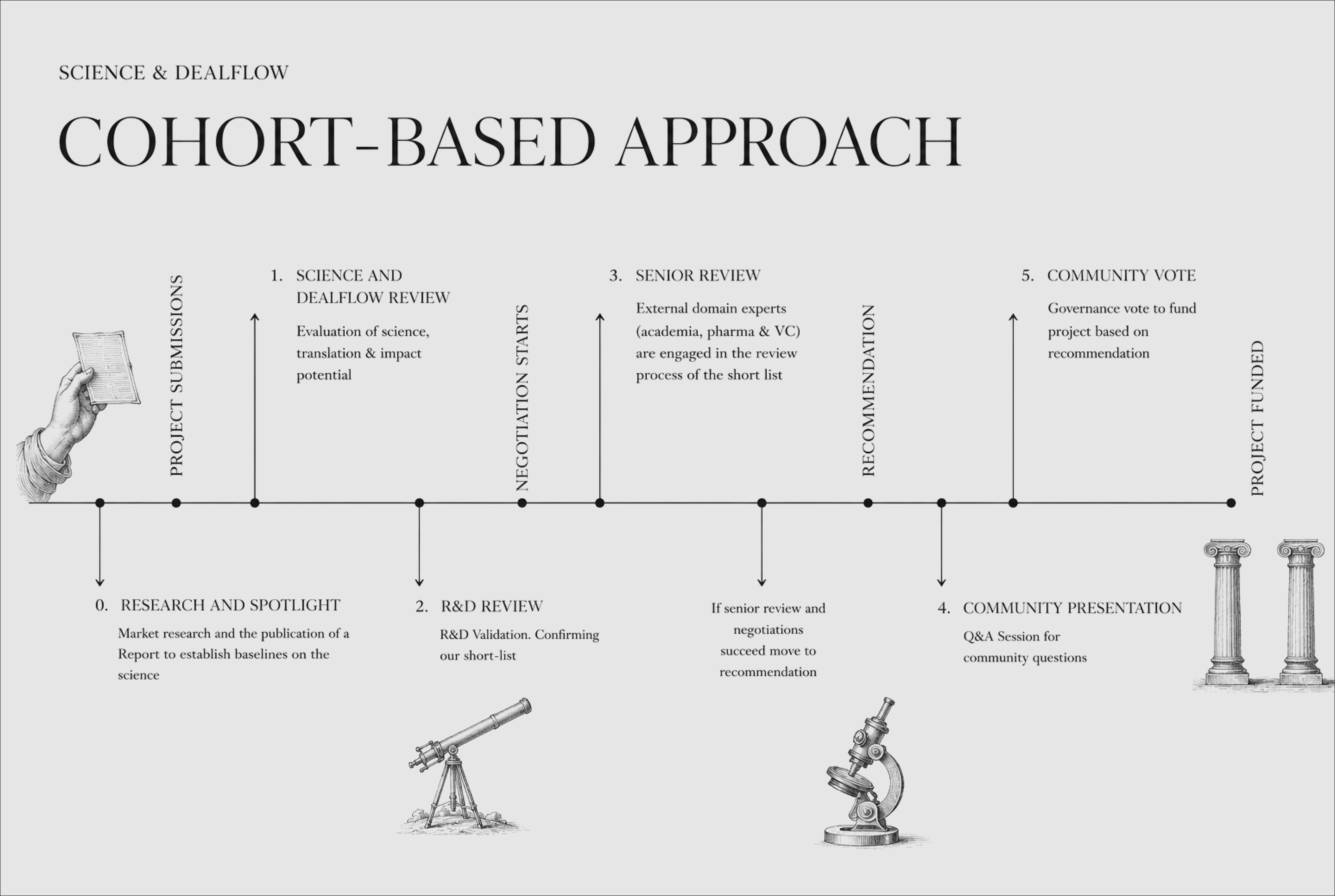
Figure 3: AthenaBIO Due Diligence Pipeline
2. Coordination and harmonization
The funded labs will maintain their autonomy and their science, and AthenaBIO will act as the coordination layer, creating common standards and shared collection protocols - the Pantone of ovarian clinical endpoints - as well as a pool of resources (collective access to Contract Research Organizations, biobanks, and other materials, etc.) to accelerate the progress of each lab more than each could achieve separately. The goal is to create and maintain a coordinated decentralized network, facilitating the sharing of resources so the outputs of the different labs follow the same standards and can be aggregated. This is not an easy task as every lab has different protocols and not all data can be open, but part of our mandate is to address precisely that challenge.
To be useful for AI, biological data sets must be:
Standardized
Comprehensively annotated
Sufficiently powered for clinically relevant effect sizes
Longitudinal across the lifespan
Linked to clinical outcomes
Open
3. Data aggregation and asset creation
Data collection at scale cannot be done in a single lab. Producing accessible biological samples, an ovarian atlas, large-scale genomics, qualified biomarkers, standardized clinical endpoints, and model systems selected for predictive validity is best done as a research network's collective output.
Our infrastructure will be developed by examining how it contributes to every stage of the R&D pipeline. For example, a qualified biomarker will drive target validation, trial design, patient categorization, and eventually, the expansion of an indication. Our goal is to provide assets that form the top of the pipeline, enabling the correct decisions downstream while providing AI-readable training material.
4. Open Science
Why not make this a startup? Because large-scale data collection takes time, involves many regulatory hurdles, and again, most investors might be concerned there won’t be enough demand to justify the costs. Underserved or underfunded research areas also benefit from open science, as this type of research often lacks the resources or tooling to compete.
To advance research and the potential outcomes, access to sex-specific open-source data sets will help create a positive flywheel for progress.
In summary, to advance with AI, ovarian biology needs:
A reference ovarian atlas integrating the transcriptome, proteome, metabolome, and epigenetics across the lifespan
Genetic architecture to detect heritable variation
Qualified biomarkers
Standardized clinical endpoints
Pre-clinical models with good predictive validity that can be screened at scale
VII. Model
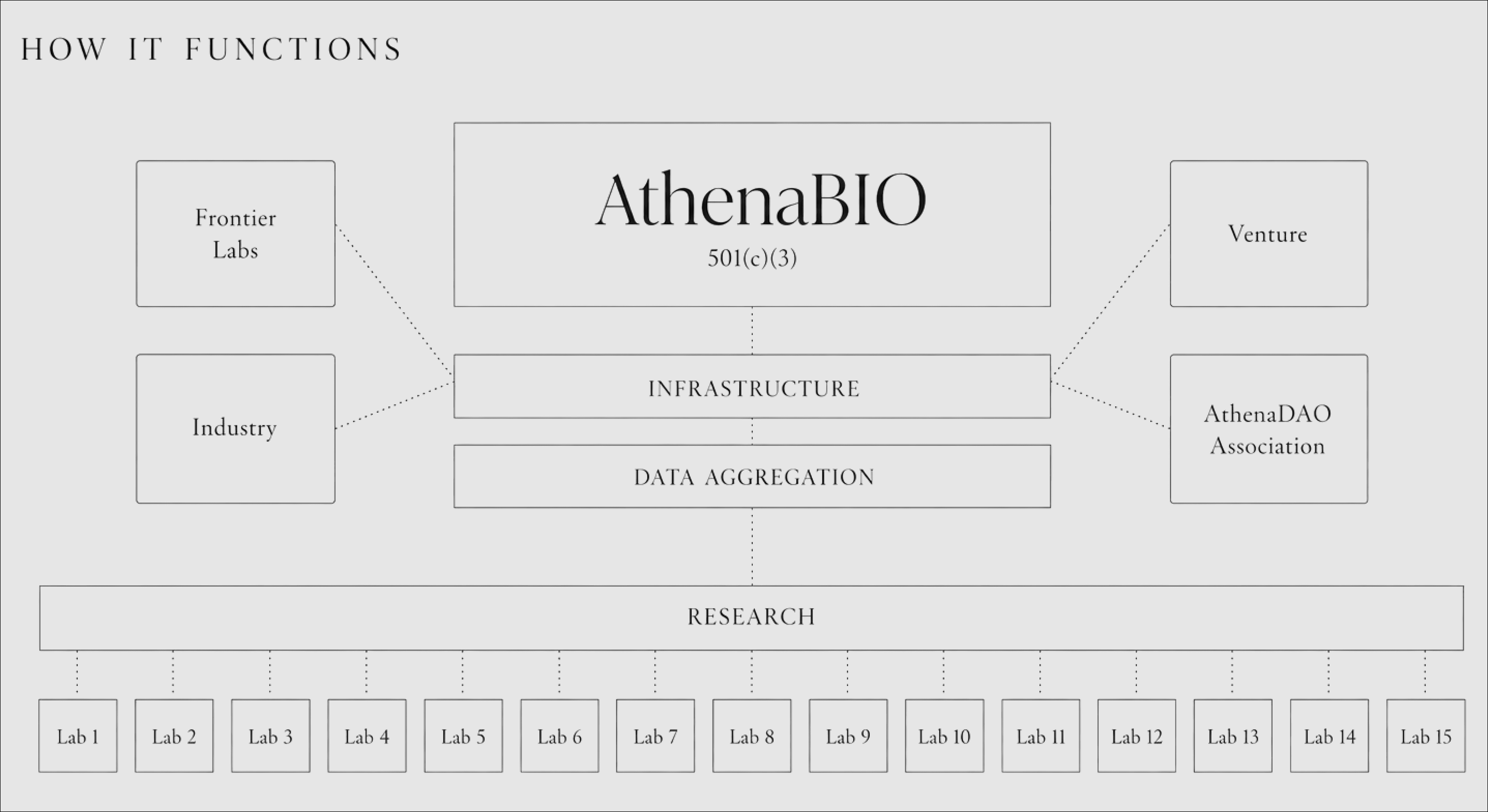
Figure 4. AthenaBIO 501(c)(3) Structure Function
AthenaBIO will be a 501(c)(3). We will serve as the structure that handles due diligence, centralization, and data buildout, providing administrative support and ensuring projects stay on schedule, researchers meet milestones, and we can coordinate the sharing of relevant data for clinical endpoints, biomarkers, and projects. Rather than philanthropists having to go lab-by-lab or researcher-by-researcher, this model lets us optimize capital allocation and increase impact opportunities. We plan to collaborate with industry and frontier labs, exploring venture-backed opportunities for every relevant downstream asset, while keeping the data and tools open.
Our moat is our ability to curate and coordinate talent while taking operational charge of building infrastructure.
We believe keeping expert investigators advancing their research whenever they are will help with time constraints and the notorious underfunding in the field, operational capital will be optimized this way. A small in-house technical team that can facilitate shared knowledge and strong operations to execute on this shared mission is what can help us meet a 5-year plan.
VIII. Our Team - Decentralized Expertise
Culture is a word that is easy to overuse; more difficult is to assemble talented, best in class people who are committed to the same mission in and around something that is not considered a leading field. We achieved this in the past with AthenaDAO, a small, agile, dedicated, and knowledgeable team focused on work that would lead to diagnostics, drugs, and new cures and treatments. We have assembled a team of scientists, operators, and advisors with experience across the life sciences, both inside and outside the field.
Due to the new proposed structure, we will have the right breadth of network and technical and operational talent at our disposal to execute on this. This is a selection of core team, alumni contributors, advisors, and researchers we collaborate and work with:
Paula Amato, MD: Professor of Obstetrics and Gynecology, OHSU School of Medicine. Former President, American Society for Reproductive Medicine (ASRM).
Bérénice Benayoun, Ph.D: Associate Professor of Gerontology, Cancer Biology, Pharmacology and Pharmaceutical Sciences at the University of Southern California. PI, Benayoun Lab. Board of Directors, American Aging Association and Gerontological Society of America.
Anaelle Bijaoui, MBBS: Resident Doctor at University College London Hospital.
Miguel Angel Brieño- Enríquez MD, Ph.D: Assistant Professor, Magee-Womens Research Institute, Department of OBGYN and Reproductive Sciences University of Pittsburgh.
Samantha Cote, Ph.D: Adjunct Professor, Université de Sherbrooke. Assistant Professor, Bishop's University.
Guilherme H. Gatti da Silva, Ph.D: Research Fellow at Harvard Medical School and Brigham and Women's Hospital.
Zhongwei Huang, Ph.D(Oxon), FAMS (O&G), FRCOG (UK): Deputy Director, Asia Centre for Reproductive Longevity & Equality (ACRLE), Reproductive Endocrinology and Infertility. Clinician-Scientist, Temasek Life Sciences Laboratory. Adjunct Assistant Professor, National University of Singapore.
Estéfano Pinilla Pérez, Ph.D: Assistant Professor in Cardiovascular Pharmacology at Biomedicine, Aarhus University and visiting scientist at the Baker Heart and Diabetes Institute.
Jack Scannell, Ph.D: Drug hunter who coined “Eroom’s Law.” CEO, Etheros Pharmaceuticals Corp. Venture Director, Hiro Capital.
Vittorio Sebastiano, Ph.D: Professor of Biological Chemistry, Center for Epigenetics and Metabolism, Stem Cell Research Center, University of California, Irvine. Adjunct Professor, Stanford University. Founder and Scientific Advisory Board Chair, Turn Biotechnologies.
Diane Seimetz, Ph.D: Co-Founder and CEO, Biopharma Excellence (Acquired). Co-Founder, MyoPax, Avocet Bio GmbH. Executive Vice President and Chief Scientific Officer, Fresenius Group (Biotech).
VIIII. Our Ideal Partners
We want to work with individuals and organizations who are curious to discover where this kind of focused research organization would lead. Two profiles come to mind: experts in their own fields who help guide us and optimize our goals, and beginners who trust our guidance to discover new biology. While our principles and mandate will remain grounded, our operational expertise makes us believe that feedback loops from our partners to iterate and adapt for the tech-push in the era of AI will be an integral part of the equation. Our anchor partners are ready to commit to seeing this through with us, beyond capital and technical or network support, we are looking for a ride-or-die approach. This is how we have been able to sustain the ups and (massive) downs of building in female health.
X. Our Commitment - Maximal Impact
We live in an unprecedented era of innovation heralded by AI, and female health is integral to any human flourishing agenda. Though we fully believe AI will accelerate curing disease, we must sound the alarm and highlight that even when we start finding cures, sex-specific data will be lacking. New gaps will open that will take time to close and thus slow the discovery process. As AI adoption grows in drug discovery, these inputs become increasingly important, and in some cases, it will become evident how scarce they are. These constraints we foresee are what drove our urgent focus to shift gears toward data collection.
It is difficult to overstate the magnitude of the opportunity. It would also be a grave error in our minds to let this be only about the capital investment. This has to be about a strategic and measured approach. Beyond potentially serving half of the world’s population - but towards maximal impact. With $30 million over 5 years, we can unlock some of the potential calculated by McKinsey by finding new biomarkers, endpoints, and enough biological data sets to accelerate curing diseases.
XI. A last word on impact: DALY’s Today, Improving the lives of 190 million women could save more than 67,000 lives
By all means, we think they are both important. However, how we calculate and look at impact has been heavily skewed.
The burden of disease is calculated using the Disability-Adjusted Life Year (DALY), which adds the Years of Life Lost (YLL) due to premature death to the Years Lived with Disability (YLD).
DALY = YLL + YLD
One DALY represents the loss of the equivalent of one year of full health. DALYs for a disease or health condition are the sum of years of life lost due to premature mortality (YLLs) and years of healthy life lost due to disability (YLDs) due to prevalent cases of the disease or health condition in a population.
In the most-viewed essay by Abhishaike Mahajan of Owl Posting, a popular newsletter dissecting areas of interest in the life sciences one essay at a time, he investigates why Endometriosis is an interesting disease. In his own words, he dedicates an entire section to explaining: “There are few diseases on Earth as widespread and underfunded as it is”. Add to this the fact that endometriosis is severely underdiagnosed.

Figure 5. Owl Posting’s Analysis on NIH Funding / DALYs per 100k
Endometriosis affects 1 in 10 women of reproductive age, or about 190 million women, often causing chronic pain, infertility, and depression. Effective treatments and earlier diagnosis could prevent 250,000 DALYs annually and contribute an estimated $12 billion to global GDP. This is just one disease.
Coefficient Giving recently announced a new endowment of $212M to the Against Malaria Foundation to support an antimalarial bug net campaign, with their calculation estimating 67,000 deaths averted.
When oxygen masks drop on a plane, the emergency protocol is that the adult puts on the mask before helping an infant or child, even though emotionally we would want to put the mask on our child first to save them. The logic here is that a fully-abled body will be able to do more for the infant or child than the reverse. Our question is: would improving many health outcomes for women marginally, which generated billions in GDP, not ultimately lead to more economic opportunities to save more than just 67,000 lives?
We've already done due diligence and selected research labs, have key talent ready to join, and have the strategy ready to start. If you want to learn more or access our data room, please reach out: hello@athenabio.org.
All scientific content vetted by Estéfano Pinilla Pérez and Dr. Guilherme H. Gatti da Silva. Dr. Pinilla is an Assistant Professor in Cardiovascular Pharmacology at Biomedicine, Aarhus University (Denmark) and visiting scientist at the Baker Heart and Diabetes Institute (Melbourne, Australia). He is a core and scientific founding member of AthenaDAO. Dr. Guilherme H. Gatti da Silva is a Research Fellow at Harvard Medical School and Brigham and Women's Hospital. He is part of the AthenaDAO Science and Deal Flow team.
Thank you for edits and recommendations to Asta Diabate, Victoria Dmitruczyk, Ines Silva, and Riva Tez.

Laura Minquini is a longevity and reproductive health advocate. She is the founder of MYKIGAI, a discovery and recommendation platform for longevity; contributor to VitaDAO; and founder of AthenaBIO. Her career has spanned three continents and the worlds of media, trend forecasting, and brand strategy in luxury. She co-founded and was the CEO of the first fashion-focused tech accessories company, achieving worldwide distribution and collaborating with companies like Apple and Amazon, amongst others. She wants to leverage her branding and go-to-market expertise to push scientific discovery forward.